
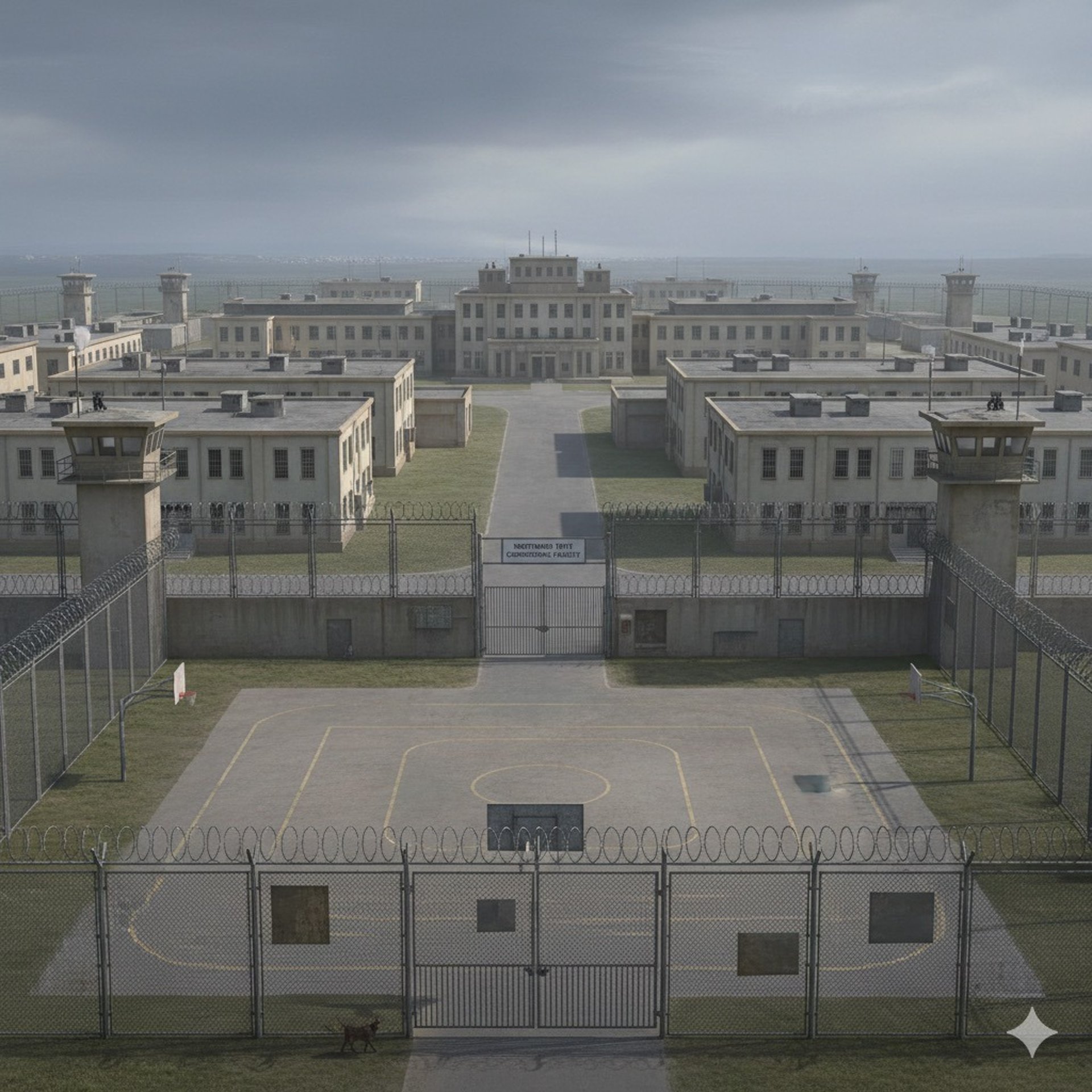
Most programs are built to address behavior. Few are designed to align thinking, identity, and action.
Before it became a program, it was a survival practice. I built CTG inside the same systems it now serves. I sat in the programs. I learned how to comply. I learned how to perform progress without experiencing transformation. I saw how disconnected services often work hard in parallel but rarely work together.
Change The Game Educational Program was never meant to replace existing programs. It was built to strengthen them.
The CTG framework functions as an integrative layer that helps participants make sense of everything they are already receiving. Counseling, workforce development, education, reentry services, life skills, and compliance requirements all improve when individuals have the cognitive infrastructure to understand themselves, their choices, and their trajectory.
CTG addresses what many programs assume but cannot always teach directly: thinking before behavior, identity before compliance, meaning before motivation.
The CTG SHIFT Method™ is delivered through a structured 12-week, 4-module curriculum using writing, reflection, and facilitated dialogue. It helps participants connect the dots between services, internalize lessons across programs, and apply insight consistently rather than episodically.
When CTG is present, other programs work better. Retention improves. Engagement deepens. Resistance decreases. Outcomes stabilize.
Proven in juvenile justice, reentry, and alternative education settings, CTG does not compete with systems. It brings them into alignment.
72% completion rate in juvenile detention (vs. 50-60% standard). 86% improvement in self-awareness. 28% reduction in behavioral incidents.

Before assessing readiness, it’s important to understand what CTG is.
CTG operates using the SHIFT Method™, a structured framework for personal transformation. The SHIFT Method™ is delivered through CTG’s four-module curriculum, which guides participants through mindset development, behavioral change, leadership growth, and long-term impact.
This means CTG is not a menu of options or a toolkit to be customized. It is a sequence. The order matters. The structure is non-negotiable. Understanding this is the first test of readiness.
What Is CTG?
A Framework for Transformation, Not Compliance
Who It's For:
Built for Populations Systems Have Failed
Juvenile Justice
CTG is the future of education.
Students learn to define who they are, reframe how they think, and step into their power. Our approach blends personal storytelling, mindset development, and leadership training, helping youth break the cycles that hold them back and build new ones that move them forward.
Reentry Programs
Alternative Education
CTG functions as stabilization infrastructure in the first 30-60 days of detention. Participants develop self-awareness and pattern recognition before case management begins.
Participants begin CTG 90 days before release and continue in the community. The digital platform ensures continuity across the transition.
CTG is delivered as a credit-bearing course that develops literacy skills while building cognitive infrastructure. Writing portfolios are used for college applications and employment.
Download the CTG Implementation Guide

The Proof Is In The Change
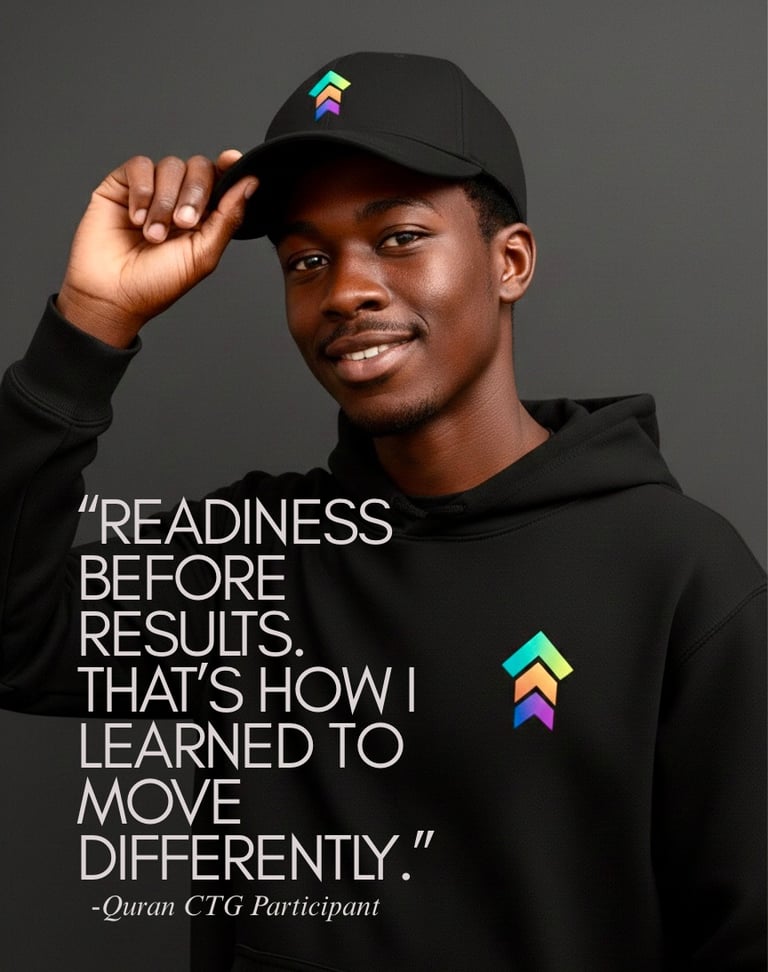
We’ve seen the results, young men and women walking out of workshops seeing themselves differently. Educators calling it "life-changing." Communities finally having a model that works. This is transformation, one workbook, one conversation, one city at a time.
72% completion rate (vs. 50-65% standard)
86% improvement in pattern recognition
95% improvement in narrative ownership
28% reduction in behavioral incidents
67% showed measurable writing development
"Before CTG I thought my story was just about my mistakes. Now I see the patterns I can change. I know who I want to become."
— Participant, age 17

Change The Game Educational Program | www.ctgpro.org | Copyright (c) 2026